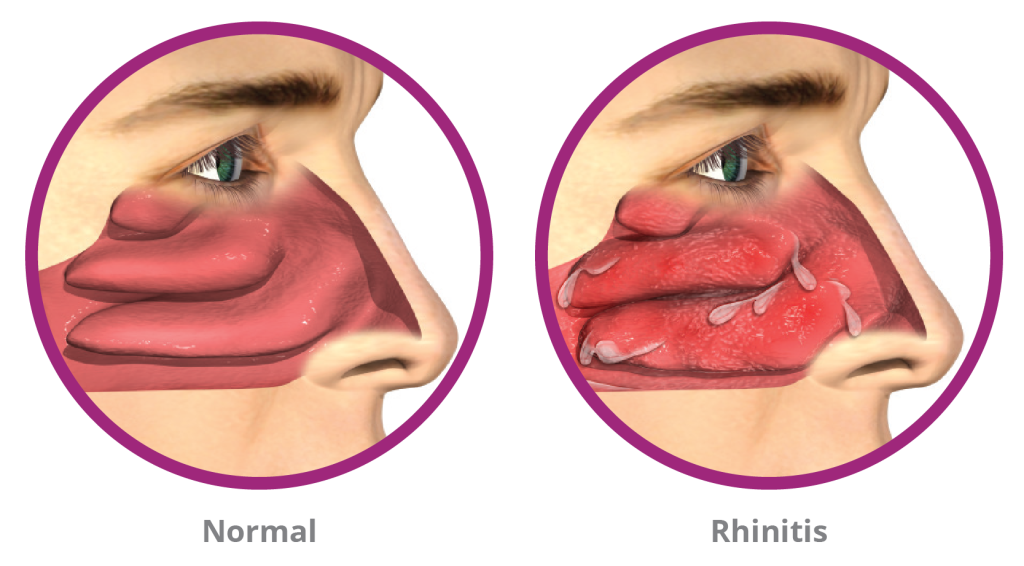
What is the difference between allergic and non-allergic rhinitis?
Allergic rhinitis is triggered by an immune response to specific allergens such as pollen, dust mites, or pet dander. Non-allergic (vasomotor) rhinitis involves overactive nasal nerves that cause mucus overproduction in response to environmental triggers — such as temperature changes, humidity, or strong odors — without any allergic mechanism.
Both types are treated at The Center for Sinus, Allergy, & Sleep Wellness, and they can coexist in the same patient. Proper testing helps Dr. Brodner determine which type — or combination — is at play.
How does ClariFix® work for chronic runny nose?
ClariFix® uses a small probe to deliver controlled cryotherapy (freezing) to the overactive posterior nasal nerve at the back of the nasal cavity. This disrupts the nerve signals responsible for excessive mucus production, reducing runny nose and congestion. Clinical studies show that 4 out of 5 patients experience lasting relief. The procedure is performed in our Boynton Beach office in approximately one hour with minimal discomfort.
Is ClariFix® or Neuromark right for me?
Both ClariFix® and Neuromark target the overactive nasal nerves causing rhinitis symptoms, but they use different energy modalities — cold and low-power electrical energy, respectively. Dr. Brodner evaluates each patient’s symptom profile, anatomy, and medical history to determine which approach is the best fit. A consultation at The Center for Sinus, Allergy, & Sleep Wellness is the best first step. Call (561) 735-8750 to schedule.
Can post-nasal drip cause a chronic cough or sore throat?
Yes. Post-nasal drip is one of the most common causes of chronic cough and persistent sore throat. When excess mucus drips down the back of the throat, it can irritate the larynx and trigger a reflex cough, or cause ongoing throat clearing and soreness. Treating the underlying rhinitis or sinusitis driving the post-nasal drip typically resolves these secondary symptoms.
How long does it take to see results from runny nose treatment?
Timeline varies by treatment type. Most patients who undergo ClariFix® or Neuromark begin to notice improvement within two to six weeks as the treated nasal nerve tissue heals. Patients on medical management may notice improvement within days to a few weeks, though medications typically require ongoing use to maintain symptom control.
Will I need to take medications long-term after ClariFix® or Neuromark?
Many patients who undergo ClariFix® or Neuromark experience significant enough improvement that their reliance on nasal sprays and other medications is substantially reduced or eliminated. Dr. Brodner reviews each patient’s medication needs individually after treatment and adjusts the plan based on their response.
Does The Center for Sinus, Allergy, & Sleep Wellness treat post-nasal drip caused by allergies?
Yes. When allergies are a primary driver of post-nasal drip, allergy testing and targeted allergy treatment are incorporated into the care plan alongside any procedural treatments. Addressing the allergic trigger — through immunotherapy or other means — provides more comprehensive and durable relief than treating the nasal symptoms alone.